Asia SiyakaTea
Sri Lanka is renowned for the production of best quality teas of the world which is popularly known as “Ceylon Tea” and over the years “Ceylon Tea” has become synonymous with quality tea.
Tea is the third largest agricultural industry in Sri Lanka and most importantly the major foreign exchange earning agricultural product. Sri Lanka’s tea industry represent 1.2 per cent of the GDP and employs approximately one million people, of whom about 600,000 are directly employed.


History of Tea Industry
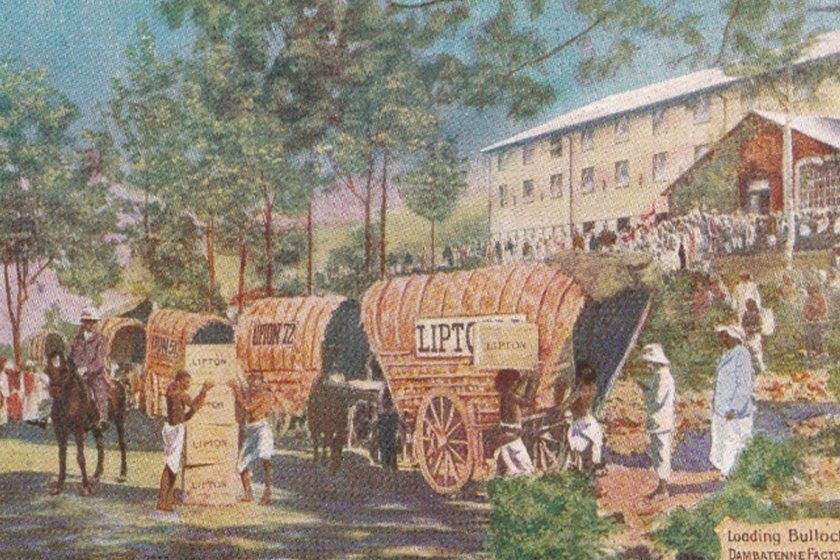
Tea was first introduced to Sri Lanka (as a commercial planting) in 1867 by the British, and since then was wide spread mainly in the upcountry mountainous areas and continued as large tea plantations. However, during last five decades, tea smallholdings sector, small scale tea cultivations, showed a speedy proliferation contributing immensely to the Sri Lankan tea industry. At present, the statistics shows that smallholdings sector covers 80 per cent of the total tea lands while contributing about 65 per cent of total production. Comparable to tea smallholding sector, large tea plantations, which we call corporate sector, showed a drop of its production and productivity during last few decades and faced few changes in management during that period. At present, the corporate sector is operated under 20 regional plantations companies (RPCs) which their management was vested with the private sector.
“And the day came when the risk to remain tight in a bud was more painful than the risk it took to blossom.” Tomas Reuss
Today, Sri Lanka plays a major role in global tea industry and ranks among first three largest tea producers and also the top three tea exporters in the world. Orthodox black tea in a bulk form is the Sri Lanka’s main tea product to date while there is a considerable trend in shifting towards producing CTC type teas and value-added tea products.
Global as wells as Sri Lankan tea industry had undergone major changes during last few decades due to various factors. While there is a reducing trend in demand for tea due to the spreading of instant beverages globally, Sri Lanka faces its own challenges such as high cost of production, low productivity, competition of newly emerging producer countries, concerns over the use of pesticides and pesticide residues of tea, worker shortages etc.
As the consumer safety and worker welfare become big demands all around the world, concepts such as Ethical Tea Partnership (ETP), Japanese 5-S, ISO 9001, HACCP certifications are also successfully implemented in Sri Lankan tea industry while securing the use of best traditional practices of tea cultivation and manufacturing.